
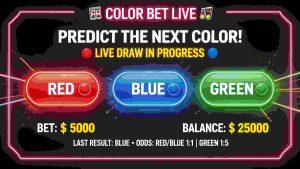
Colors are an important part of digital entertainment. Game developers use palettes, contrast, animation, and visual symbols to communicate information and create atmosphere. A calm blue interface may suggest stability, while bright contrasting colors can draw attention to rewards or urgent actions. Understanding these design choices helps users recognize how interfaces influence attention.
Color and Emotional Associations
People often associate blue with calmness, clarity, or reliability, while red can communicate urgency, excitement, or warning. These associations are not universal, because culture, personal experience, and context affect how colors are interpreted.
Designers also consider accessibility. Text must remain readable against its background, important information should not depend on color alone, and interface elements should be easy to distinguish for users with different visual abilities.
Visual Feedback in Games
Animations, sound effects, flashing icons, and celebratory graphics can make a game feel responsive. They tell players when an action has succeeded, a level has changed, or a reward has appeared.
In games involving chance, however, dramatic presentation can make an event seem more significant than its actual value. A colorful animation does not change the mathematical probability of a future result.
Recognizing Promotional Design
Digital gambling promotions may use countdown timers, bright buttons, bonus banners, and reward notifications to encourage immediate action. Some interfaces emphasize potential winnings while making restrictions less visible. Users should read the terms, check spending requirements, and resist pressure to act quickly.
Good design makes important information easy to understand. Clear pricing, accessible rules, visible limits, and straightforward account controls help people make informed decisions.
Designing for Healthy Engagement
Entertainment platforms can offer session reminders, spending summaries, notification controls, and accessible options for taking breaks. Users can also disable unnecessary alerts and establish limits on their screen time.
Conclusion
Color and visual feedback influence how people experience digital entertainment, but appearance should not replace clear information. Understanding interface design helps users distinguish excitement from actual value, evaluate promotional messages, and make more deliberate choices about their time and money.
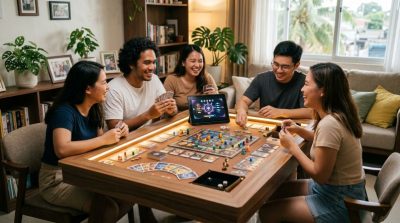 Games often create challenges that encourage participants to improve their skills or develop strategies. Competition can make entertainment more engaging, particularly when people play with friends or against other participants.
 Short intervals will allow players to relax and refocus. If, say, the players have played for about half an hour or even hours, then a short interval away from the computer screen would be ideal to help reduce their mental fatigue and aid their focus.


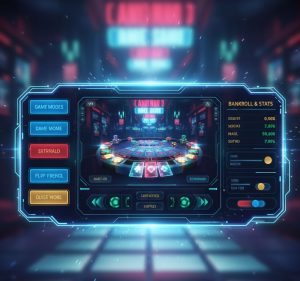








 Ensuring the safety of players is no longer an option. The most reputable online gambling establishments today spend a lot of money on:
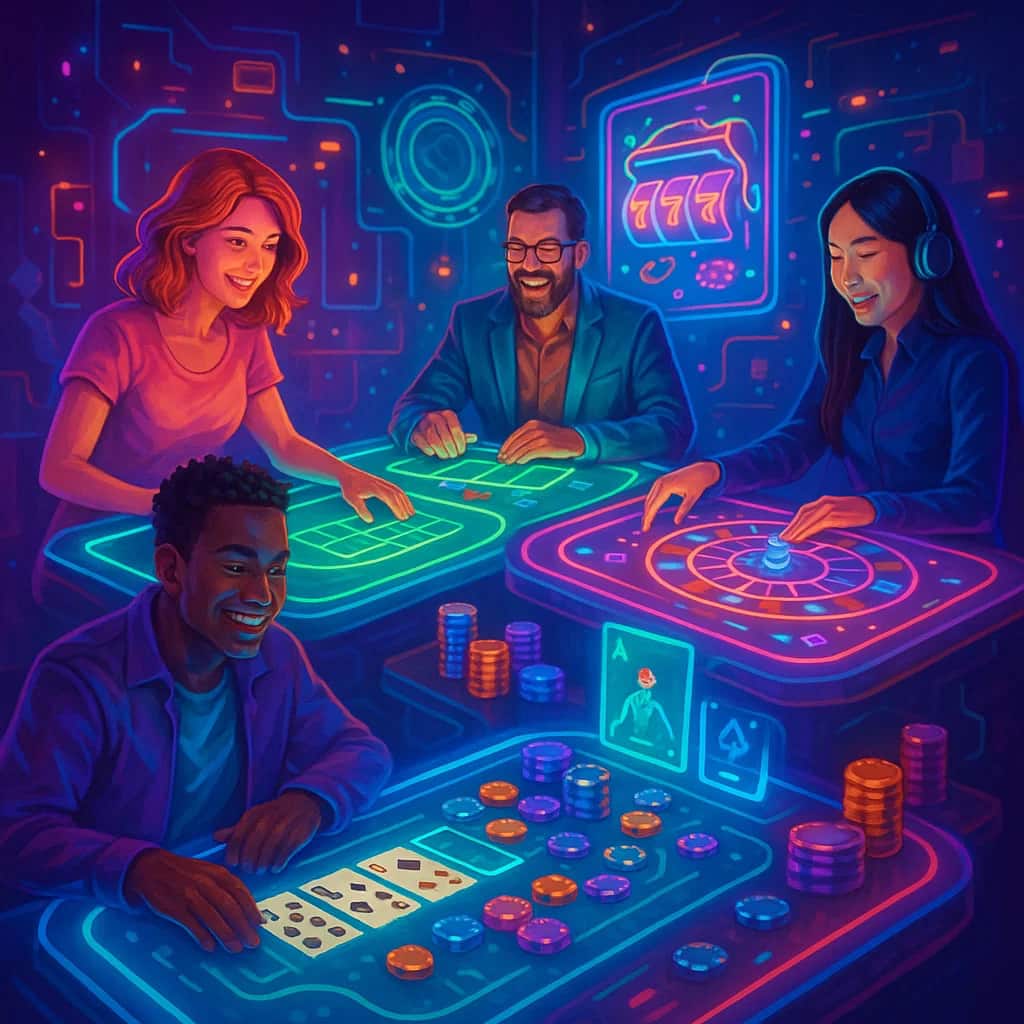
 One of the biggest game-changers in online casinos is themed slot machines. These games go beyond traditional reels and symbols, incorporating popular TV shows, movies, and cultural themes. Players feel a stronger connection to the game when they recognize characters and storylines, making the experience more engaging.
